
Reliable care comes from small routines that make a dog’s day predictable. Meals, fresh water, walks, grooming checks, play, and rest each matter, but the right schedule depends on age, health, energy, and household life. A routine should be easy to follow and flexible when the dog’s needs change.
Start the morning with a quick check
Before heading out, notice appetite, energy, movement, and bathroom habits. Provide fresh water and a measured meal appropriate to the dog’s age and condition. Check that collars, harnesses, and identification fit comfortably. If something looks noticeably different from normal—such as persistent lethargy, pain, or unusual thirst—make a note and seek veterinary advice rather than dismissing it.
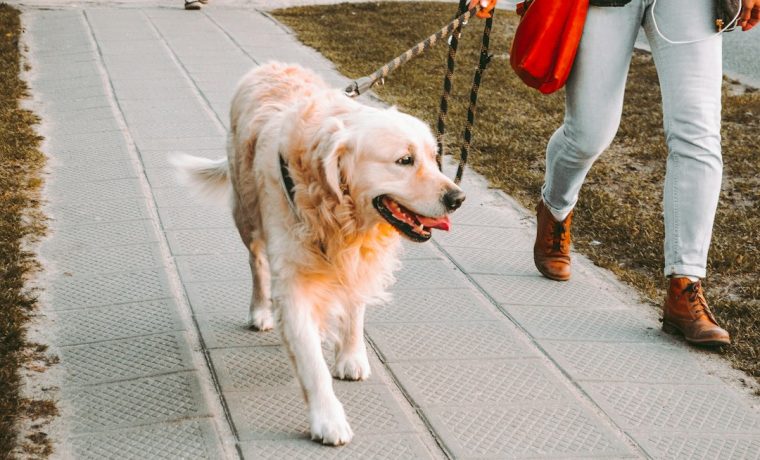
Make exercise more than a hurried walk
Dogs benefit from sniffing, exploring, and moving at a pace suited to them. Plan walks around weather, fitness, and local safety. A short scent game indoors can be useful on busy or rainy days. Puppies and senior dogs may need shorter activities with more recovery. Avoid pushing a dog through heat or fatigue just to complete a distance.
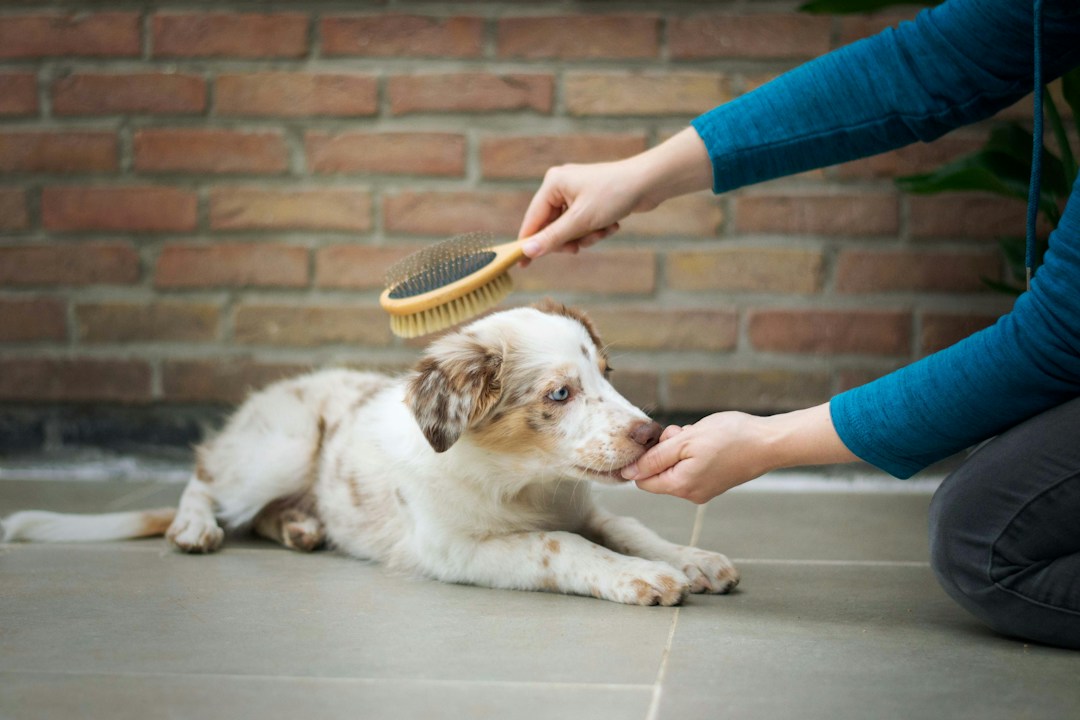
Keep grooming checks brief
Regularly look at the coat, skin, ears, paws, and nails. Brush according to coat type and reward calm handling. After outdoor adventures, check for burrs, debris, or irritation between the toes. Use dog-safe products, and do not attempt painful mat removal or deep ear cleaning without appropriate guidance. If grooming becomes stressful, break it into smaller steps or consult a professional.
Build predictable rest and companionship
Dogs need a comfortable place where they can sleep without being interrupted. Keep a simple rhythm of activity followed by quiet time, especially after play or training. Spend time together in ways the dog enjoys—gentle interaction, training games, or simply sitting nearby. Avoid forcing attention when the dog is trying to rest.
Prepare for the week ahead
Once a week, check supplies, clean bowls and bedding, review upcoming appointments, and note any changes in behavior or body condition. Keeping a small care record makes it easier to spot patterns and share useful details with a veterinarian. The goal is not a perfect timetable; it is consistent care that supports the dog’s comfort and safety every day.
Takeaway
Start with a few repeatable habits and adjust them to the individual dog. A calm routine, careful observation, and timely professional advice are more valuable than trying to do everything at once.