
Good dog care is rarely one dramatic task. It is a collection of small, repeatable habits that protect comfort, support health, and help owners notice changes early. A practical routine should fit the dog’s age, coat, activity level, and veterinary guidance.
Begin with food, water, and observation
Offer a complete and balanced food appropriate for your dog’s life stage, follow feeding guidance, and adjust portions with veterinary advice as activity or body condition changes. Keep fresh water available and wash bowls regularly. During meals, notice appetite, chewing, and swallowing. A sudden change in eating or drinking can be an early clue that something needs attention.
Make movement part of the day
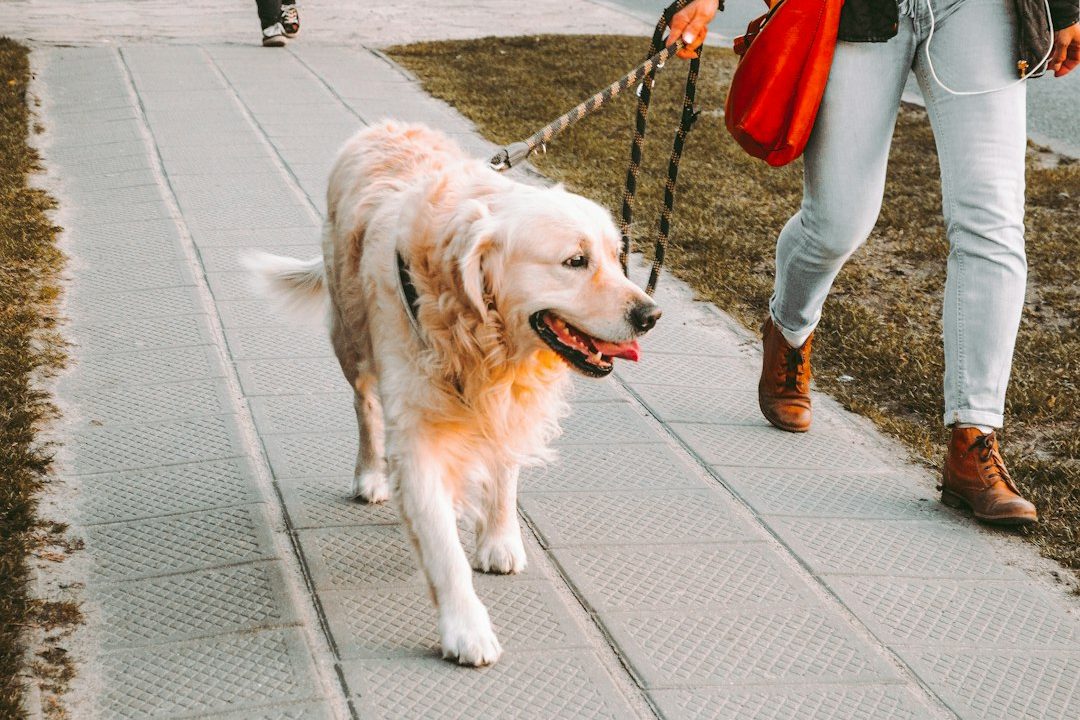
Most dogs benefit from regular opportunities to walk, sniff, play, and explore, but the right amount varies. Age, breed tendencies, health, temperature, and fitness all matter. Build activity gradually rather than suddenly increasing distance or intensity. On hot days, choose cooler hours, carry water, and watch for heavy panting, weakness, or other signs of heat stress.
Keep grooming manageable
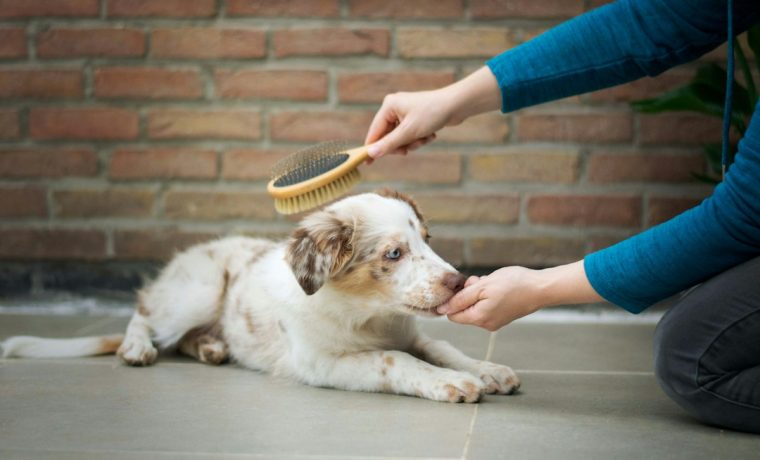
Short, positive grooming sessions are easier than waiting until the coat is tangled or nails are too long. Brush according to coat type, check paws after walks, and look for debris, irritation, or unusual odor around ears and skin. Use products made for dogs. If a task causes pain, bleeding, or strong distress, stop and ask a veterinary professional or qualified groomer for help.
Support safety at home and outside
Use secure identification, a well-fitted collar or harness, and a leash where required. Store medicines, cleaning products, toxic foods, and small objects out of reach. Check fences and gates, and supervise interactions with children and unfamiliar animals. At home, provide a comfortable resting area where the dog can retreat without being disturbed.
Build a simple weekly review
Once a week, check weight trends, coat condition, nails, teeth, ears, supplies, and upcoming veterinary needs. Keep notes about changes in energy, bathroom habits, appetite, or behavior. Notes make it easier to explain a pattern during an appointment. A routine is not a substitute for veterinary care, but it helps owners notice when care is needed.
A simple checklist to keep
Write down the routine that works: what happens before a session, what needs checking, and what signs mean the plan should change. Keep the checklist short enough to use. Consistency matters more than a perfect schedule, and small adjustments are easier to maintain when they are based on observations rather than assumptions.
Common mistakes to avoid
Avoid making several major changes at once, relying on a single online claim, or ignoring repeated warning signs. Advice that works for one household or device may not suit another. When a decision involves health, safety, money, or personal data, use qualified guidance and verify important details before acting.
Kesimpulan
A useful routine is flexible. Review it when circumstances change, and keep the individual needs of the dog at the center of every decision.