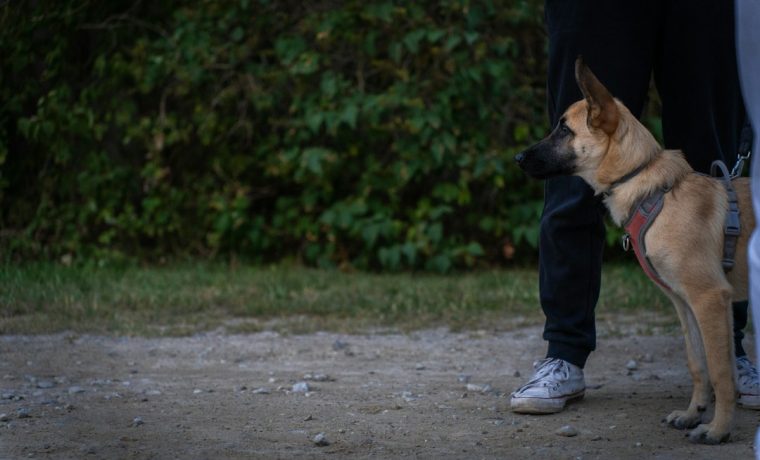

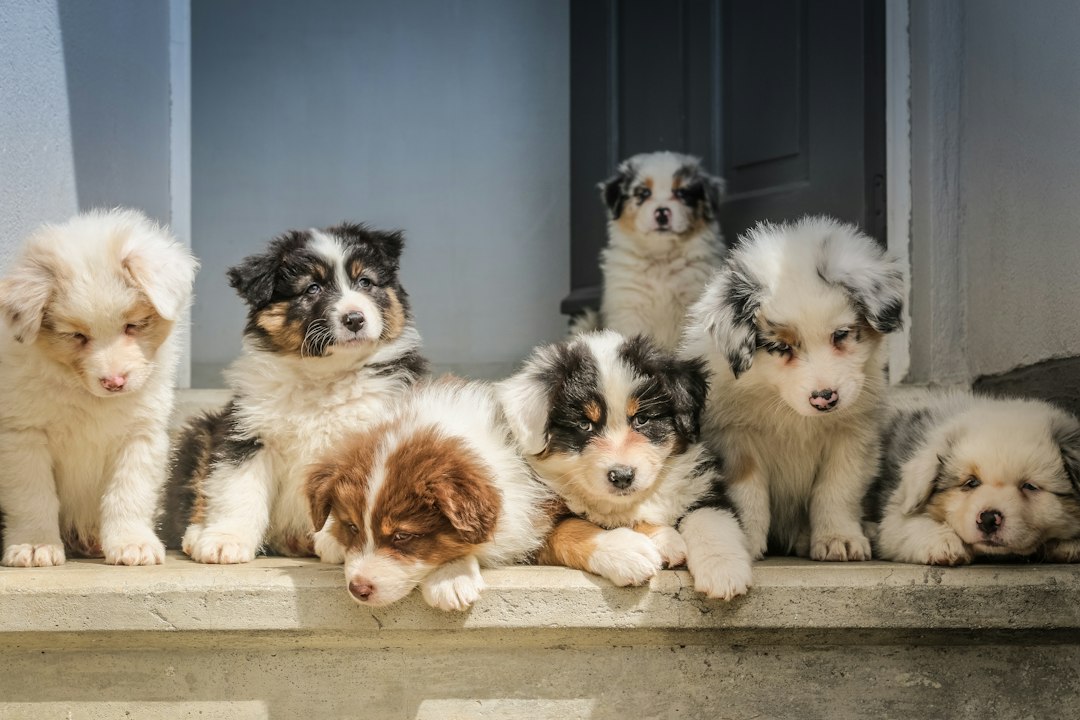
A puppy’s first month at home is a period of adjustment for everyone. Rather than expecting perfect behavior, focus on safety, predictable routines, gentle exposure, and rewarding the behaviors you want to see. Small successes repeated each day create a strong foundation for later learning.
Prepare a quiet, safe landing place
Before the puppy arrives, set up a sleeping area, water, suitable food, safe toys, and barriers that prevent access to hazards. Remove electrical cords, medicines, cleaning products, and small objects. Keep the first day calm and allow the puppy to explore a limited area. Too many visitors and activities can make an already unfamiliar environment overwhelming.
Build a toilet routine
Take the puppy to the same suitable toilet area after waking, eating, drinking, playing, and before sleep. Reward immediately after the puppy finishes in the right place. Accidents are normal; clean them thoroughly and avoid punishment, which can make a puppy hide when toileting. Keep a simple log to identify patterns and adjust timing.
Teach through rewards and repetition
Use short sessions to reward name recognition, coming when called, gentle handling, and settling. Keep expectations age-appropriate and make the environment easy enough for success. Everyone in the household should use similar cues and rules. If the puppy struggles, reduce distractions and reward smaller steps rather than repeating a cue louder.
Socialize thoughtfully
Positive socialization means helping the puppy feel safe around different people, sounds, surfaces, and everyday situations. Go gradually and allow distance. Do not force greetings or place the puppy in situations that cause fear. Ask your veterinarian about safe opportunities before vaccination schedules are complete, because disease risk varies by location.
Protect sleep and health
Puppies need substantial rest, regular meals, and veterinary guidance for vaccinations, parasite prevention, and nutrition. Avoid exhausting play or long forced walks. Contact a veterinarian if the puppy seems unusually weak, refuses food, has repeated vomiting or diarrhea, or shows other concerning signs. A patient first month is more valuable than a long list of tricks.
A simple checklist to keep
Write down the routine that works: what happens before a session, what needs checking, and what signs mean the plan should change. Keep the checklist short enough to use. Consistency matters more than a perfect schedule, and small adjustments are easier to maintain when they are based on observations rather than assumptions.
Common mistakes to avoid
Avoid making several major changes at once, relying on a single online claim, or ignoring repeated warning signs. Advice that works for one household or device may not suit another. When a decision involves health, safety, money, or personal data, use qualified guidance and verify important details before acting.
Kesimpulan
A useful routine is flexible. Review it when circumstances change, and keep the individual needs of the dog at the center of every decision.