
Bringing home a puppy is joyful—and often messy, noisy, and tiring. Puppies are learning how to live in a human household while developing confidence and habits that can last for years. A calm plan built around management, patience, and rewards is more effective than expecting a young dog to understand rules immediately.
Prepare a predictable daily rhythm
Puppies need frequent opportunities to toilet, eat, play, learn, and sleep. Take your puppy to the chosen toilet area after waking, after meals, after play, and before settling for the night. Very young puppies may need additional trips between these moments. Stay with them, reward toileting immediately in the right place, and keep a simple record of patterns.
Accidents are part of learning. Clean indoor spots with an enzymatic pet cleaner and avoid punishment. Scolding after the fact does not teach the puppy where to go; it can make them afraid to toilet near you. If accidents suddenly increase or your puppy seems uncomfortable, consult your veterinarian to rule out a medical cause.
Reward the behavior you want
Positive reinforcement means making a desirable behavior more likely by following it with something the puppy values. That may be a tiny treat, a toy, praise, or access to play. Reward name recognition, checking in, settling on a mat, coming when called, and walking beside you for a few steps.
Keep lessons brief—often one to three minutes is plenty for a young puppy. Practice in a quiet room before adding distractions. Use small food rewards and account for them in the daily feeding plan. End on an easy success rather than repeating a cue until the puppy becomes confused.
Socialization is about safe positive experiences
Good socialization does not mean forcing a puppy to greet every person or dog. It means introducing the world gradually and helping the puppy feel safe around different surfaces, sounds, people, handling, and environments. Let the puppy observe from a comfortable distance and reward relaxed curiosity.
Ask your veterinarian which outings are appropriate based on vaccination status and local disease risk. Puppy classes should use humane methods, have sensible health requirements, and allow puppies to take breaks. Avoid crowded dog areas or uncontrolled greetings when safety is uncertain.
Teach handling before you need it
Briefly touch paws, ears, collar, and body while offering rewards. Pair the sound of a brush or nail tool with treats before attempting grooming. Practice a gentle collar hold and reward the puppy for approaching a carrier or crate voluntarily. These tiny lessons can make future vet visits and grooming easier.
Prevent problems with the environment
Use gates, a puppy pen, and a safe resting area to limit access when you cannot supervise. Put shoes, cords, medicines, cleaning products, and small objects out of reach. Offer appropriate chew toys and rotate them to maintain interest. Supervision and management prevent many habits from becoming rehearsed.
Protect sleep and build independence gently
Puppies need substantial sleep. Overtired puppies may become mouthy, frantic, or unable to settle. Plan quiet rest periods in a comfortable space. Practice short moments of calm separation while the puppy is relaxed, gradually increasing duration. Avoid leaving a distressed puppy to cry for extended periods; adjust the plan and seek qualified help if separation distress develops.
Ask for help early
Choose a veterinarian and reward-based trainer you trust. Seek advice if biting feels unsafe, fear is increasing, toilet training stalls, or your puppy struggles to recover from everyday experiences. With realistic expectations and consistent rewards, the first weeks become the foundation for a confident, well-supported companion.
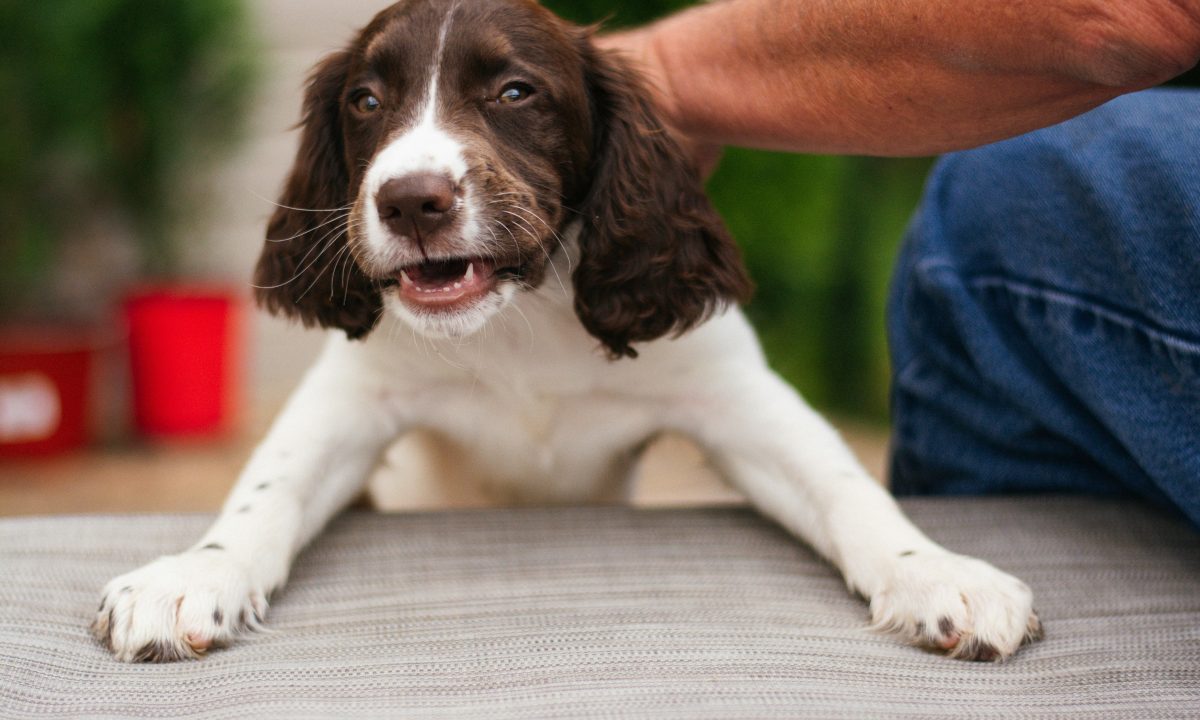
Photo: Meaghan Cafferty / Unsplash.
