

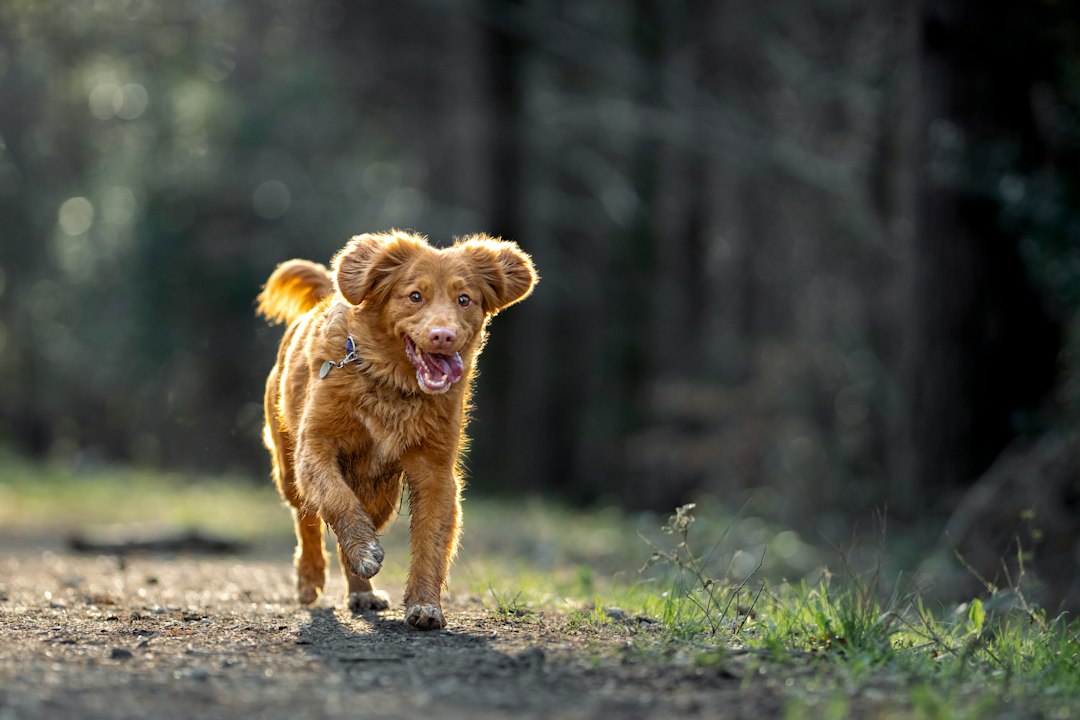
A healthy dog routine is not built from one big gesture. It comes from small, repeatable habits: fresh water, appropriate meals, movement, grooming, companionship, and attention to changes in behavior. The best routine is one that fits your dog’s age, breed, health, and energy level—and that your household can maintain consistently.
Start the day with a quick wellness check
Before the morning walk, take a moment to notice how your dog is moving and behaving. Is your dog eager to get up? Walking comfortably? Interested in breakfast? Look briefly at the eyes, ears, coat, paws, and skin. You do not need to perform a medical examination; you are learning what is normal for your individual dog. That baseline makes unusual changes easier to spot.
Refresh the water bowl and wash it regularly. Clean water should be available throughout the day. Feed a complete diet appropriate for your dog’s life stage, following the package guidance and your veterinarian’s advice rather than relying on guesswork or treats.
Make exercise fit the dog, not the clock
Daily movement supports muscle strength, mobility, healthy weight, and confidence. A young working-breed dog may need more activity and purposeful tasks than a senior companion with stiff joints. Several shorter outings can work better than one long session, especially for puppies, older dogs, and dogs that struggle in heat.
Let your dog sniff. A walk is not only a way to cover distance; sniffing provides mental stimulation and lets dogs explore information through scent. Choose safe routes, use a secure leash or harness, and adjust the pace when the weather is hot, icy, or humid.
Build in grooming and dental habits
Brush according to coat type: some dogs need a quick weekly session, while long or double coats may need much more frequent attention. Check for tangles behind the ears, under the legs, and around the collar. Handle paws gently so nail checks become familiar rather than stressful.
Dental care deserves a place in the routine too. Gradually introduce a dog-specific toothbrush and toothpaste. Never use human toothpaste, which may contain ingredients unsuitable for pets. If brushing is not yet possible, ask your veterinarian about evidence-based alternatives and professional dental assessment.
Give the brain a job
Five to ten minutes of training, a food puzzle, a scent game, or a calm play session can enrich the day. Reward behaviors you want to see, keep sessions short, and stop before your dog becomes frustrated. Quiet companionship matters as much as energetic play: dogs need rest and predictable downtime.
Know when the routine needs a vet
Contact a veterinarian if you notice persistent changes in appetite, thirst, energy, breathing, movement, toileting, skin, or behavior. Sudden collapse, difficulty breathing, repeated unproductive retching, severe bleeding, or suspected poisoning requires urgent veterinary help. Do not wait for a routine appointment when a dog appears seriously unwell.
Consistency is the real secret
A useful daily plan is simple: check in, feed thoughtfully, provide movement, offer enrichment, maintain hygiene, and make time for connection. Keep a flexible schedule and adapt it as your dog ages or their needs change. Small habits, repeated with patience, create a safer and more comfortable life for the dog who depends on you.
Photo: Jamie Street / Unsplash.
