

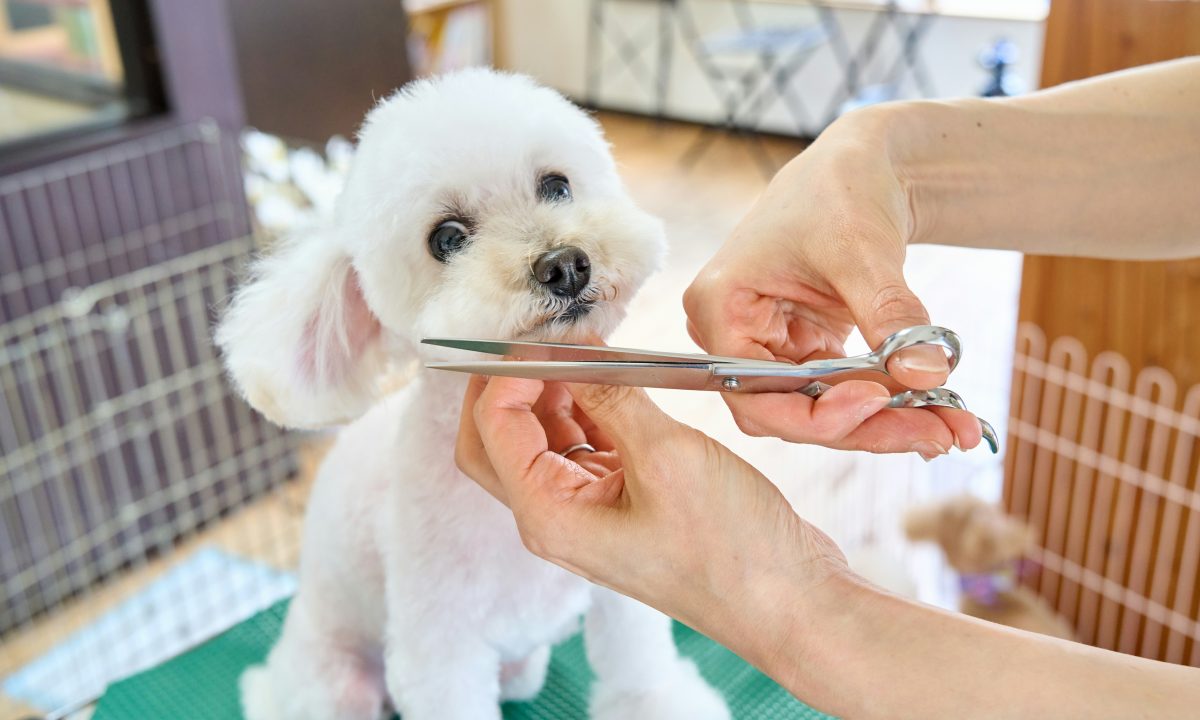
Grooming is not only about appearance. Regular coat, paw, nail, ear, and skin checks help keep a dog comfortable and give owners a chance to notice problems early. The secret to a low-stress routine is to go slowly, use suitable tools, and make each step predictable.
Choose a brushing plan for the coat
Different coats need different care. Short-coated dogs may need occasional brushing to remove loose hair, while long, curly, or dense coats can mat if neglected. Double-coated dogs often need extra attention during seasonal shedding. Ask a professional groomer or veterinarian which brush and schedule suit your dog’s coat.
Work in small sections and be gentle around sensitive areas such as the belly, tail, behind the ears, and legs. If you find a tight mat close to the skin, do not cut it out with household scissors; skin can be pulled into the mat and injured. Seek help from an experienced groomer.
Make nail care gradual
Long nails can affect comfort and movement. Begin by touching your dog’s shoulder, leg, and paw briefly, then reward calm behavior. Later, introduce the sound and sight of the clipper or grinder without trimming. When your dog is relaxed, remove only a tiny amount from one or two nails and take a break.
Nails contain a blood vessel and nerve called the quick. Cutting too far can hurt and bleed. If nails are dark, your dog is fearful, or you are unsure where to trim, ask a veterinarian or groomer to demonstrate safe technique. Never force a struggling dog through a long session.
Check ears without over-cleaning
Look for redness, swelling, discharge, odor, or frequent head shaking. Healthy ears do not need aggressive cleaning. If your veterinarian recommends an ear cleaner, follow the instructions and use it only as directed. Do not insert cotton swabs deep into the ear canal, and avoid home remedies or leftover medication.
Persistent odor, pain, or discharge needs veterinary assessment because infection, parasites, allergies, and foreign material can require different treatment.
Keep baths comfortable
Brush out loose hair and tangles before bathing when appropriate. Use lukewarm water, a non-slip surface, and shampoo made for dogs. Keep water and shampoo out of the eyes and ears, rinse thoroughly, and dry the coat well—especially in dense or long-haired breeds. Human shampoo can irritate a dog’s skin because its formulation is not designed for canine skin.
Teach cooperation in tiny steps
Pair grooming tools with treats and praise. Let your dog sniff a brush, reward a brief touch, and stop before signs of stress escalate. Watch for lip licking, turning away, stiff posture, tucked tail, growling, or attempts to escape. These signals mean the session needs a pause or an easier step.
For dogs with a history of fear or handling sensitivity, ask your veterinarian about a cooperative-care plan or referral to a qualified force-free professional. Pain can also make grooming difficult, so a sudden change in tolerance deserves a health check.
Turn checks into a regular habit
After walks, inspect paws for debris, cuts, or irritation. During brushing, look for lumps, parasites, redness, and changes in the skin. Keep grooming sessions short and predictable, and book professional help when the coat or task is beyond your comfort level. A calm routine protects both your dog’s comfort and your relationship.
Photo: Buddy AN / Unsplash.
