

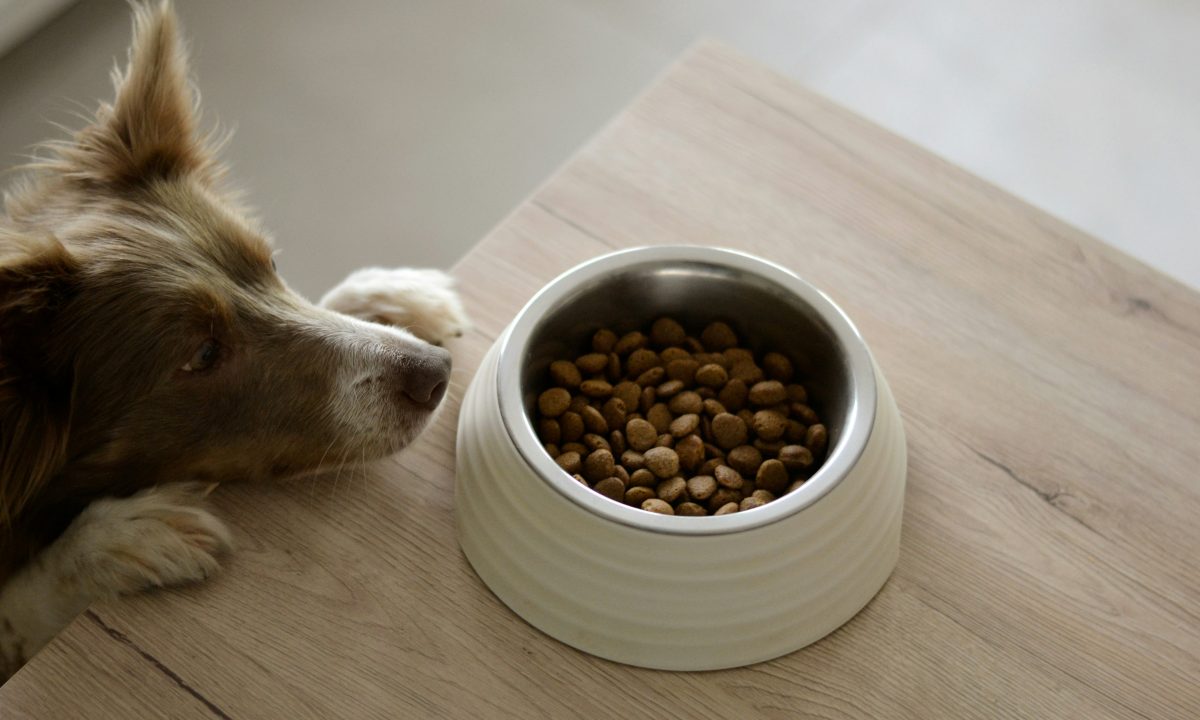
Good nutrition is about more than choosing a bag with appealing packaging. Dogs need a diet that provides the right balance of nutrients for their life stage and health, served in portions that help maintain a suitable body condition. A consistent feeding routine makes it easier to notice appetite changes and avoid accidental overfeeding.
Choose food that is complete for your dog’s life stage
Look for a food labeled as complete and balanced for the appropriate life stage—growth, adult maintenance, or another category recommended by your veterinarian. Puppies have different nutrient needs from adult dogs, and large-breed puppies may need diets formulated to support controlled growth. Senior dogs may benefit from adjustments based on activity, body condition, and medical history.
Ingredient lists can be useful, but they do not tell the whole story about nutritional quality. If your dog has a medical condition, food allergy, digestive issue, or special requirement, ask your veterinarian before switching to a therapeutic or restricted diet.
Portions are individual
Feeding charts provide a starting point, not a perfect prescription. The right amount depends on body size, age, neuter status, activity, metabolism, and calorie density of the food. Measure meals with a consistent cup or, more accurately, a kitchen scale. Reassess portions as your dog’s body condition changes.
You should be able to feel the ribs with light pressure, while the dog has a visible waist when viewed from above and an abdominal tuck from the side. These are general visual guides, not a substitute for a veterinary body-condition assessment. Ask your clinic to show you how to score your dog’s condition.
Keep treats in perspective
Treats are useful for training and bonding, but frequent extras can add up. A common guideline is to keep treats and other extras to no more than about 10 percent of daily calories, unless your veterinarian advises otherwise. Break larger treats into tiny pieces and consider using some of the dog’s regular kibble as rewards.
Avoid foods that are toxic to dogs, including chocolate, grapes and raisins, onions, garlic, xylitol-containing products, and alcohol. Cooked bones can splinter, and rich table scraps may upset digestion. When unsure about a food, do not offer it until you have checked with a reliable veterinary source.
Make changes gradually
Switching foods abruptly can cause digestive upset. Unless a veterinarian directs an immediate change, transition over several days by gradually increasing the new food while reducing the old. Watch stool quality, appetite, itching, and energy. Persistent vomiting, diarrhea, or refusal to eat should prompt a veterinary call.
Fresh water matters every day
Provide clean water at all times and wash bowls regularly. Notice if your dog suddenly drinks much more or less than usual. Changes in thirst can be an early clue to illness and should be discussed with a veterinarian, especially when paired with changes in urination or weight.
Be cautious with supplements and homemade diets
Supplements are not automatically harmless, and more is not always better. Ask your veterinarian before adding vitamins, oils, or joint products. Homemade diets also require careful formulation by a veterinary nutrition professional; simply combining meat, rice, and vegetables may leave important nutrient gaps.
A reliable feeding routine is built on complete food, measured portions, sensible treats, fresh water, and regular weight checks. Revisit the plan as your dog’s age, activity, and health needs change.
Photo: Ayla Verschueren / Unsplash.
