

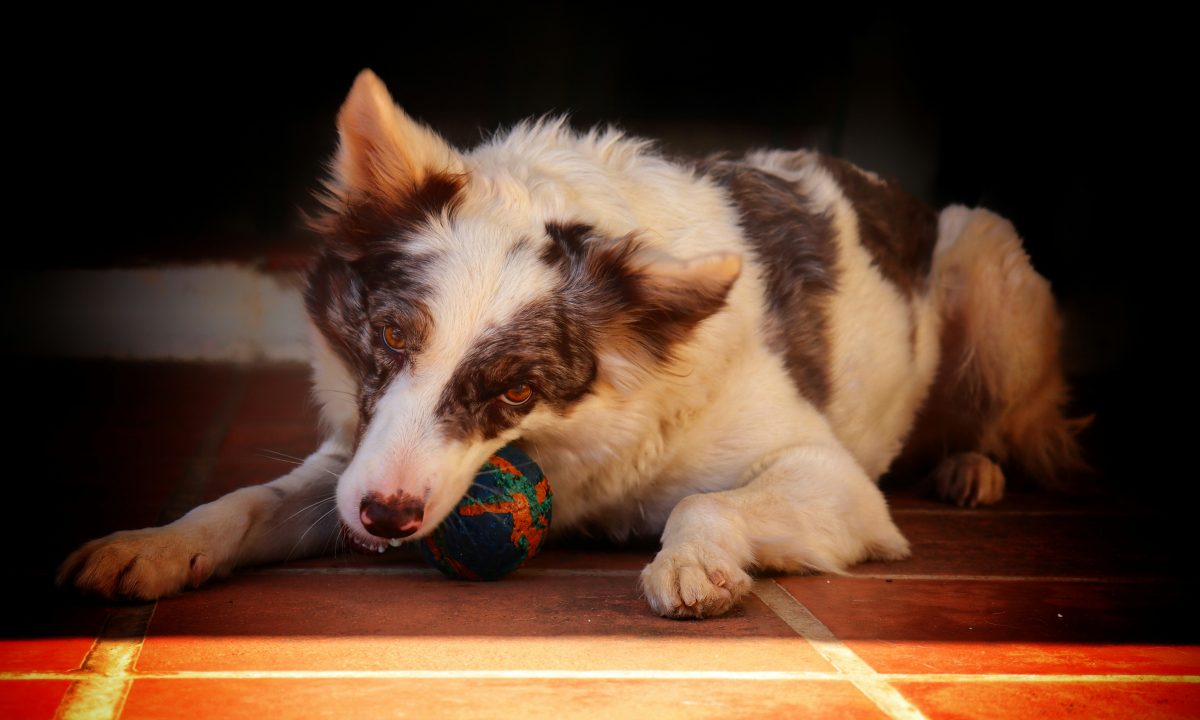
A dog can have a comfortable bed, a full bowl, and a safe home yet still feel under-stimulated. Mental enrichment gives dogs appropriate ways to explore, sniff, learn, and make choices. It does not need to involve expensive equipment or hours of activity. A few thoughtful sessions throughout the day can turn an ordinary indoor routine into a more satisfying one.
Let your dog use their nose
Scent games are among the easiest activities to set up. Start by letting your dog watch you place a few pieces of their regular kibble in easy-to-find spots around one room. Give a release cue and encourage them to search. As your dog understands the game, make the hiding places a little more challenging while keeping them safe and accessible.
You can also scatter part of a meal across a snuffle mat or a clean towel folded loosely on the floor. Supervise to ensure your dog does not chew or swallow fabric. Use a portion of the normal daily food allowance so enrichment does not unintentionally add too many calories.
Make mealtime a thinking activity
Food-dispensing toys, slow feeders, and simple puzzle games can make meals more engaging. Choose a design suited to your dog’s size and chewing style. Introduce it at an easy level so the dog can succeed quickly. If frustration appears, simplify the task rather than leaving the dog to struggle.
Inspect toys regularly for cracks, loose pieces, or damaged parts. Remove anything that could be swallowed, and never leave a dog unsupervised with a new enrichment item until you know how they use it.
Teach small skills in short sessions
Training is enrichment because it asks dogs to focus, communicate, and solve a problem with you. Practice simple behaviors such as touching a hand target, settling on a mat, waiting briefly at a doorway, or responding to their name. Use rewards your dog enjoys and keep sessions to a few minutes.
Reward calm choices too. When your dog lies down quietly or chooses a toy instead of chewing household items, gently reinforce that behavior. Avoid punishment-based methods that can create fear or confusion. If a behavior problem is persistent, a qualified reward-based trainer or veterinary behavior professional can help.
Rotate toys instead of offering everything
Put some toys away and bring out a small selection every few days. Rotation can renew interest without buying more. Include different textures and play styles, but match toys to your dog’s habits. A dog that shreds soft toys may need tougher supervised options, while a gentle senior may prefer soft toys and easy puzzles.
Build a balanced indoor day
Enrichment should complement outdoor exercise, social contact, and rest—not replace every walk. On rainy or very hot days, combine a shorter safe outing with indoor scent work, training, and play. Provide a quiet resting place where the dog can withdraw without being disturbed.
Some dogs become more excited rather than relaxed after intense games. Watch body language and choose activities that help your individual dog settle. Yawning, turning away, pacing, or repeatedly abandoning a task can mean the session is too difficult or too stimulating.
Make enrichment part of connection
The best activity is one your dog enjoys and can complete safely. Start with a simple scent search, a short training game, or a meal puzzle. Observe what captures your dog’s interest, adjust the challenge, and finish while the experience is still positive. Consistent, low-pressure enrichment supports confidence and makes home life more interesting for both of you.
Photo: CC PD / Unsplash.
