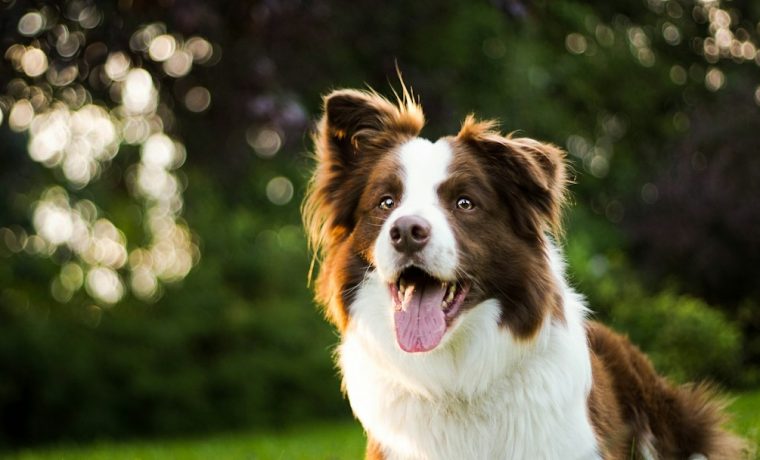

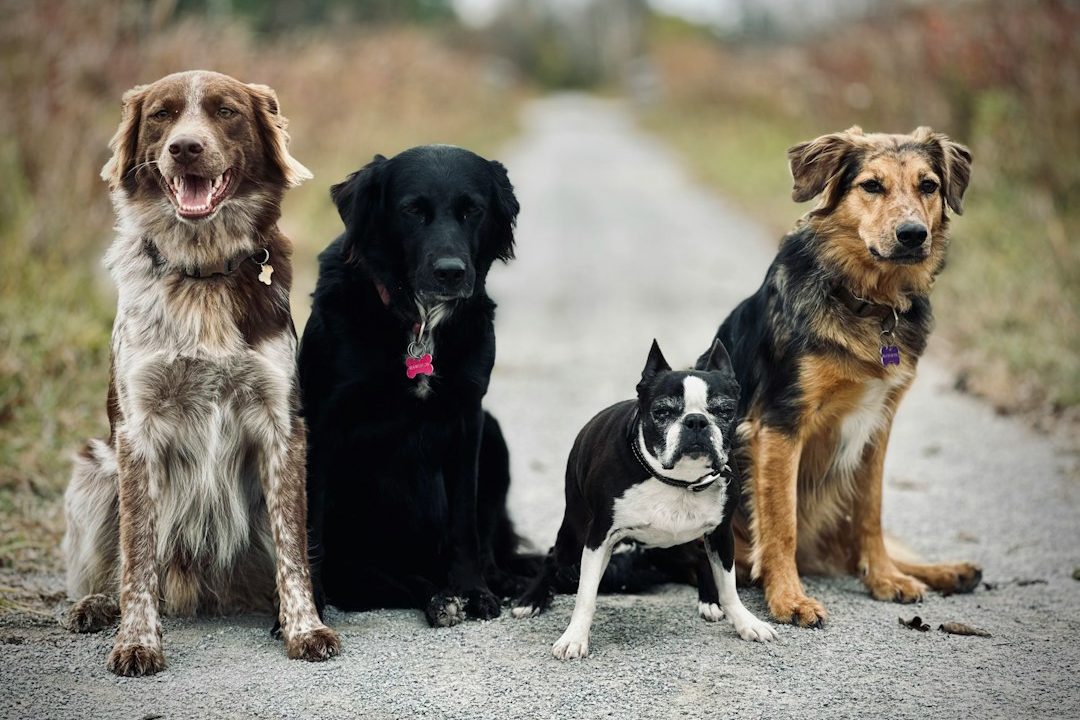
Choosing a dog is easier when the decision starts with everyday life rather than appearance. A breed’s typical size, energy, coat, and temperament can offer useful clues, but every dog is an individual. The best match is one whose needs fit the household’s time, space, experience, and budget.
Start with your real routine
Think through a normal weekday. How long will the dog be alone? Who can provide walks, meals, training, and companionship? Active breeds may enjoy long walks and structured activities, while lower-energy dogs may be content with shorter outings. Puppies of every breed need frequent toilet breaks, supervision, and patient training. Choose based on the care you can provide consistently, not on an ideal version of your schedule.
Look beyond size and appearance
A small dog is not automatically low-energy, and a large dog is not necessarily difficult to live with. Coat type affects brushing, shedding, and professional grooming costs. Some dogs are vocal or highly alert; others are more reserved. Consider prey drive, sociability, sensitivity, and how the dog may respond to children, visitors, and other pets. Breed descriptions describe tendencies, not guarantees.
Plan for health and long-term costs
Research health conditions that may be more common in the breeds you are considering, and ask responsible breeders or rescue organizations about health history. Include food, preventive veterinary care, insurance where appropriate, grooming, training, equipment, and emergency savings in your budget. A dog may live for many years, so the decision should make sense beyond the excitement of bringing a new companion home.
Meet the individual dog
Spend time with the dog in a calm setting and ask how it behaves around unfamiliar people, sounds, handling, and other animals. A reputable rescue or breeder should welcome thoughtful questions and avoid pressuring you into an immediate decision. Observe whether the dog can settle after excitement and whether its needs match your household.
Make the transition gradual
Prepare a quiet resting place, safe boundaries, food, water, identification, and a predictable routine before arrival. Give the dog time to explore at its own pace. Keep early introductions short and supervised, and reward calm behavior. If the match is right, consistency during the first weeks helps build trust and makes learning easier.
A simple checklist to keep
Write down the routine that works: what happens before a session, what needs checking, and what signs mean the plan should change. Keep the checklist short enough to use. Consistency matters more than a perfect schedule, and small adjustments are easier to maintain when they are based on observations rather than assumptions.
Common mistakes to avoid
Avoid making several major changes at once, relying on a single online claim, or ignoring repeated warning signs. Advice that works for one household or device may not suit another. When a decision involves health, safety, money, or personal data, use qualified guidance and verify important details before acting.
Kesimpulan
A useful routine is flexible. Review it when circumstances change, and keep the individual needs of the dog at the center of every decision.