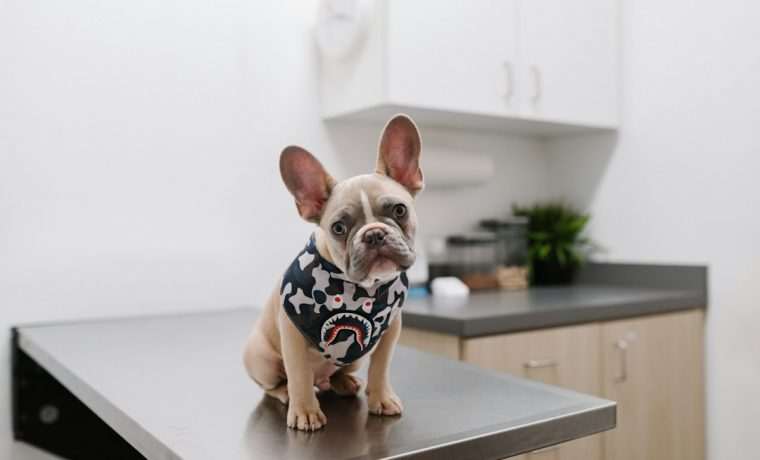

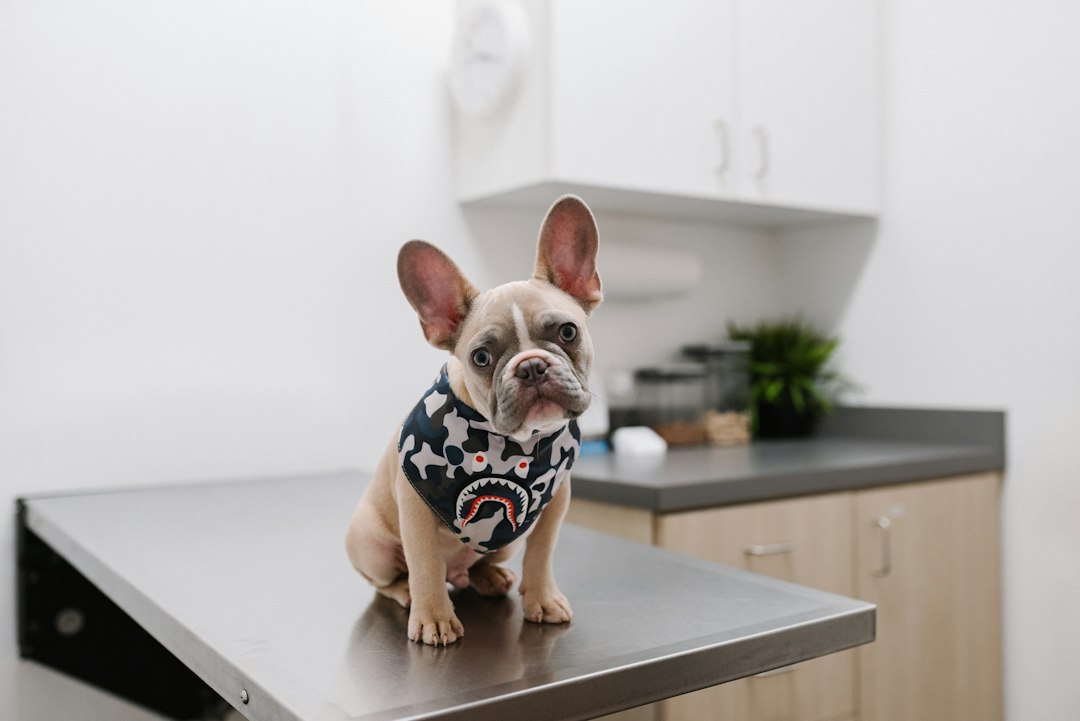
Preventive care combines regular veterinary visits with everyday observation. Owners do not need to diagnose illness at home; they need to recognize meaningful changes, keep routine care current, and seek help when something seems wrong. A few simple records can make veterinary conversations more useful.
Keep routine veterinary care current
Ask your veterinarian how often your dog needs wellness examinations based on age, health, lifestyle, and local risks. Discuss vaccination schedules, parasite prevention, dental care, nutrition, and screening tests. Puppies, seniors, and dogs with chronic conditions may need a different schedule from healthy adults. Keep copies of records and note the dates of treatments so doses are not missed or repeated.
Watch patterns, not isolated moments
Track appetite, thirst, urination, stool, energy, sleep, movement, and behavior. A single quiet afternoon may mean little, but a persistent change deserves attention. Note when the change began, how often it occurs, and whether anything else changed at the same time. Avoid giving human medication unless a veterinarian specifically directs you to do so.
Know warning signs that need prompt care
Repeated vomiting or diarrhea, persistent coughing, difficulty walking, painful behavior, unusual discharge, or sudden appetite changes warrant veterinary advice. Trouble breathing, collapse, seizures, severe bleeding, suspected poisoning, or a swollen abdomen with distress can be emergencies. Contact an emergency veterinary service rather than waiting for symptoms to pass.
Protect teeth, skin, and body condition
Dental discomfort can be difficult to spot, so ask about an oral-care plan and safe brushing methods. Check skin and coat for persistent itching, sores, lumps, or parasites. Learn how your dog’s healthy body condition should look and feel; weight changes can affect mobility and overall health. Make adjustments with professional guidance instead of crash diets or unverified supplements.
Prepare useful information for appointments
Bring a concise timeline, current food and medication details, vaccination records, and photos or videos of symptoms that are hard to reproduce in a clinic. Ask which changes require an urgent visit and which can be monitored. Preventive care works best as a partnership: the owner observes daily life, while the veterinary team interprets findings and recommends appropriate care.
A simple checklist to keep
Write down the routine that works: what happens before a session, what needs checking, and what signs mean the plan should change. Keep the checklist short enough to use. Consistency matters more than a perfect schedule, and small adjustments are easier to maintain when they are based on observations rather than assumptions.
Common mistakes to avoid
Avoid making several major changes at once, relying on a single online claim, or ignoring repeated warning signs. Advice that works for one household or device may not suit another. When a decision involves health, safety, money, or personal data, use qualified guidance and verify important details before acting.
Kesimpulan
A useful routine is flexible. Review it when circumstances change, and keep the individual needs of the dog at the center of every decision.