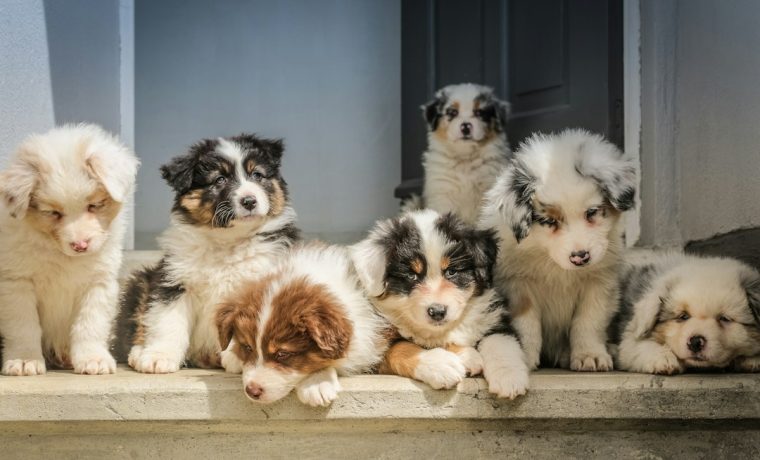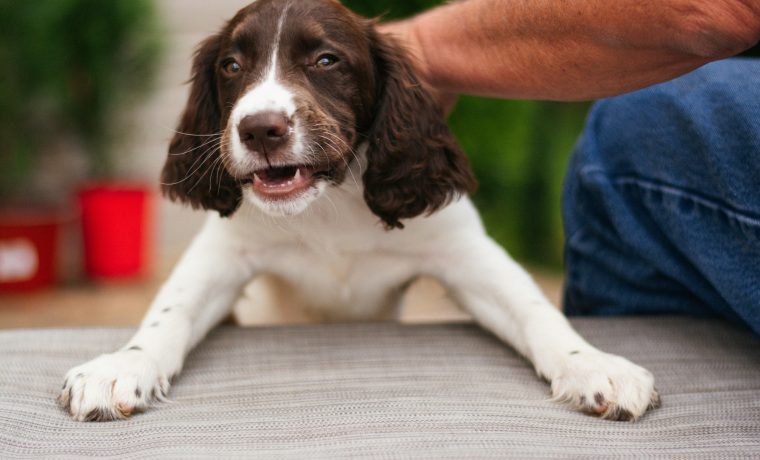

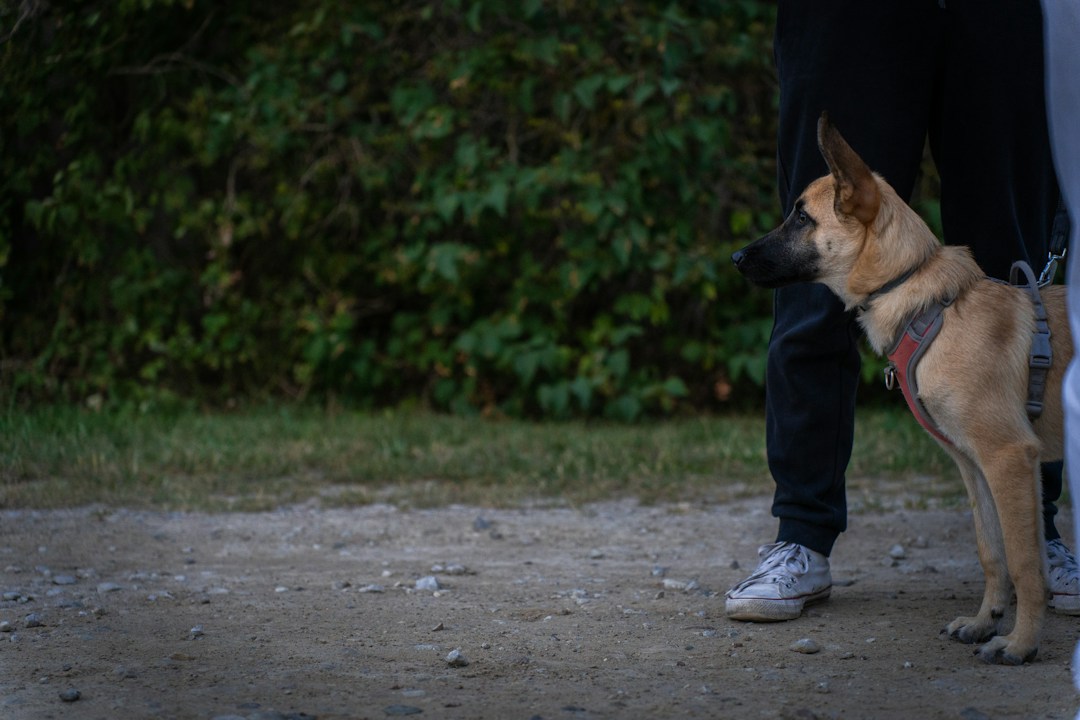
The first weeks with a puppy are about building trust and predictable habits, not expecting polished obedience. Puppies learn through repetition, timing, gentle guidance, and an environment that makes the right choice easier. Keep training sessions short and reward small successes.
Set up a toilet schedule
Take the puppy to its toilet area after waking, meals, drinking, play, and before bedtime. Younger puppies may need very frequent opportunities. Stay nearby, use a consistent cue if helpful, and reward immediately after the puppy finishes. If an accident happens indoors, clean it thoroughly and review the timing. Punishment can make puppies hide rather than learn where to go.
Make the home easy to understand
Use gates or a pen to limit access when supervision is not possible. Keep shoes, cables, medicines, cleaning products, and small objects out of reach. Give the puppy a comfortable bed, safe chew toys, and access to water. A smaller supervised area makes it easier to prevent accidents and reward appropriate behavior.
Teach simple communication
Practice name recognition, coming when called, gentle handling, and settling on a mat. Say a cue once, then help the puppy succeed by reducing distractions. Reward immediately with a small treat, praise, or play. Everyone in the household should use similar words and expectations to avoid confusing the puppy.
Socialize with care
Introduce new sounds, surfaces, people, and everyday objects gradually. Let the puppy observe at a comfortable distance and choose to approach. Avoid overwhelming situations or forced greetings. Ask a veterinarian about safe socialization options while vaccinations are in progress, because local disease risk can vary.
Protect sleep and patience
Puppies need lots of sleep and short bursts of activity. A tired puppy may become mouthy or restless, so offer quiet rest before behavior escalates. If training feels stuck, simplify the task and reward easier steps. Consistency, safety, and patience create the foundation for a confident adult dog.
Takeaway
Build one routine at a time. Predictable toilet breaks, safe boundaries, reward-based learning, and calm exposure help a puppy feel secure while developing useful habits.