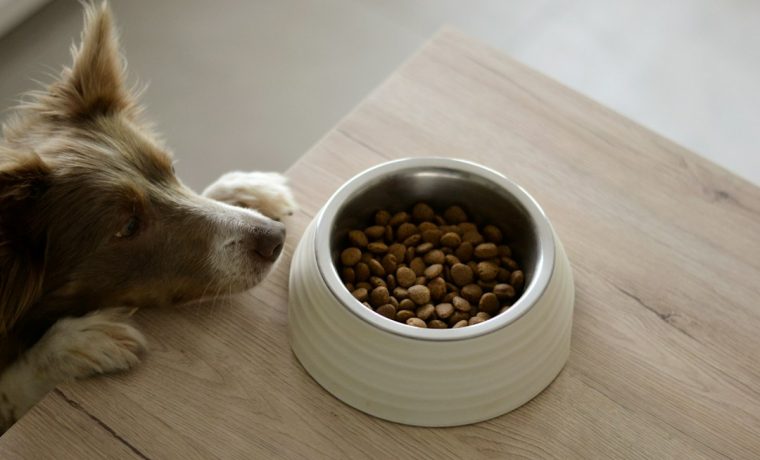

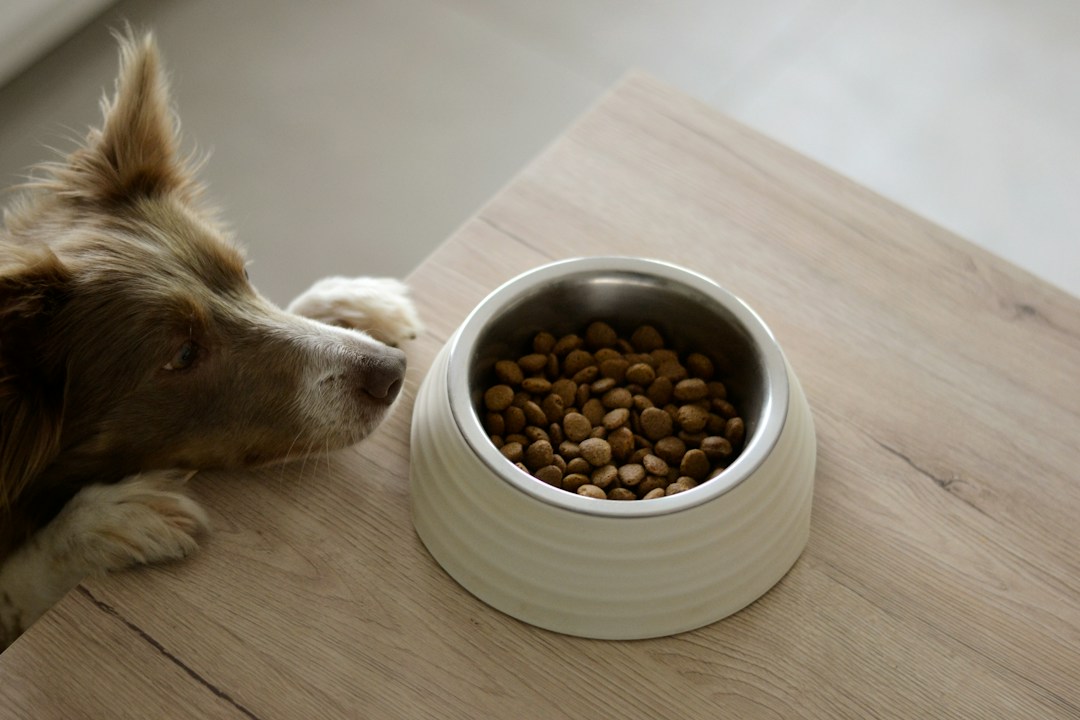
Feeding a dog well is about consistency, suitable nutrition, and monitoring—not simply filling the bowl. Food labels provide a starting point, but the ideal portion depends on the dog’s life stage, activity, body condition, health, and treats. A feeding routine can help owners make sensible adjustments without reacting to every fluctuation.
Choose a complete diet for the right life stage
Look for food described as complete and balanced for the dog’s age or life stage. Puppies, adults, and some seniors have different requirements. Dogs with allergies or medical conditions may need veterinary guidance on a specific diet. Marketing terms alone do not guarantee nutritional quality; consider the product’s nutritional statement and the manufacturer’s transparency.
Measure meals consistently
Use a measuring cup or kitchen scale rather than estimating by eye. Follow package guidance as an initial amount, then consider body condition and activity. Feeding at roughly consistent times can make it easier to notice appetite changes and manage household routines. If multiple people feed the dog, agree on portions so meals are not accidentally doubled.
Understand treats and extras
Training treats, chews, table scraps, and toppers add calories. Keep extras modest and account for them in the day’s total. Avoid foods toxic to dogs, including chocolate, grapes and raisins, onions, garlic, and xylitol-containing products. If you use treats for training, small pieces can be enough; the reward is often the timing and attention, not the size.
Monitor weight and body condition
Look for a waist behind the ribs and ribs that can be felt without excessive pressure, while remembering that body shapes differ. Track weight periodically if possible. If weight changes unexpectedly, the dog seems hungry all the time, or its activity shifts, discuss portion adjustments with a veterinarian. Avoid rapid weight-loss plans or unverified supplements.
Make food transitions gradual
When changing foods, transition gradually unless your veterinarian advises otherwise. Watch appetite, stool, skin, and energy. Store food according to the label and keep the packaging information in case questions arise. A simple log of meals and treats can reveal patterns and make professional advice more useful.
Takeaway
Measure, observe, and adjust thoughtfully. A consistent feeding plan should support healthy body condition while meeting the dog’s individual needs.