

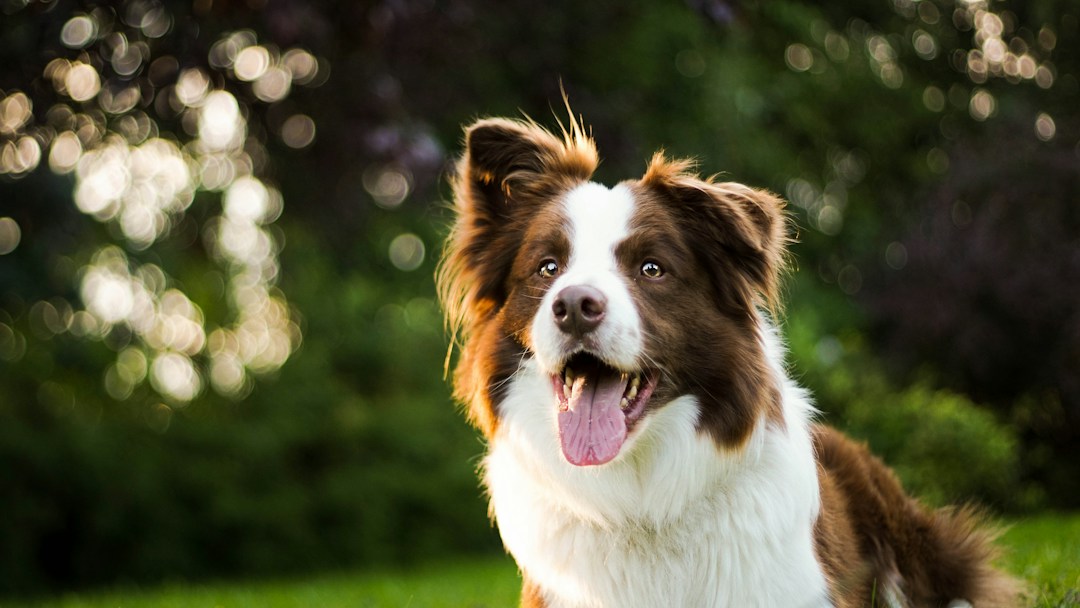
Choosing a dog is a long-term decision, and the most successful match usually comes from looking at everyday needs—not just appearance. Breed traits can offer helpful clues, but individual dogs vary. Consider how much time, activity, grooming, training, and companionship you can realistically provide before falling in love with a particular look.
Start with an honest picture of your day
Think about a typical weekday and weekend. How long would a dog be alone? Who handles walks, feeding, play, and training? An active dog may need more than a quick trip outside, while puppies of every breed require frequent supervision and toilet breaks. If your schedule is unpredictable, consider whether help from family, a dog walker, or a daycare is practical and affordable.
Energy is more than size
Small dogs can be lively and demanding, while larger dogs may enjoy a calmer routine. Research the breed’s typical exercise and mental stimulation needs. A dog that enjoys scent games, training, or longer outings may thrive with an engaged household. Dogs with lower exercise needs still benefit from regular movement, exploration, and interaction. Ask how the individual dog behaves, rather than assuming every member of a breed is alike.
Factor coat, grooming, and noise
Coat type can affect shedding, brushing frequency, bathing, and professional grooming costs. Long or curly coats may need frequent maintenance to prevent tangles; double coats may shed seasonally. Some dogs are naturally more alert and vocal. Think about apartment rules, neighbors, allergies in the household, and the time you can spend on grooming. A realistic plan is better than hoping a behavior will disappear after adoption.
Look at temperament and household fit
Consider how the dog responds to strangers, children, other pets, handling, and unfamiliar sounds. If children are present, teach them respectful interaction and supervise every encounter. For homes with cats or small animals, introductions should be gradual and managed with secure barriers. Ask a responsible breeder or rescue about the dog’s history, known behavior, and what support they offer after placement.
Plan the long-term budget
Food, routine veterinary care, vaccinations, parasite prevention, grooming, training, equipment, and unexpected emergencies all add up. Research common health concerns associated with the breeds you are considering and ask about screening or medical history. Keep an emergency fund and make sure the choice remains manageable if your living situation or income changes.
Make a calm transition
Prepare a quiet sleeping spot, water, safe toys, identification, and a predictable routine before the dog arrives. Keep the first days low-key, introduce new experiences gradually, and reward relaxed behavior. The right match is not the dog that fits a checklist perfectly—it is the individual whose needs you can meet consistently for years.
Bottom line
Take time to meet the dog, ask questions, and consider both your routine and the animal’s needs. A thoughtful match makes everyday care more sustainable and gives a new companion the best chance to feel secure at home.