
At-home grooming is most successful when it is calm, brief, and predictable. The goal is not to turn every owner into a professional groomer, but to make basic care familiar and to notice changes early. Coat type, skin condition, age, and comfort should guide the routine.
Choose tools for the coat
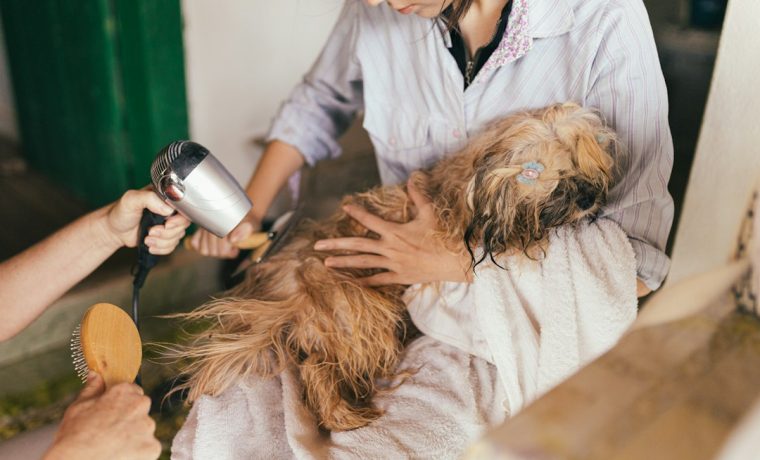
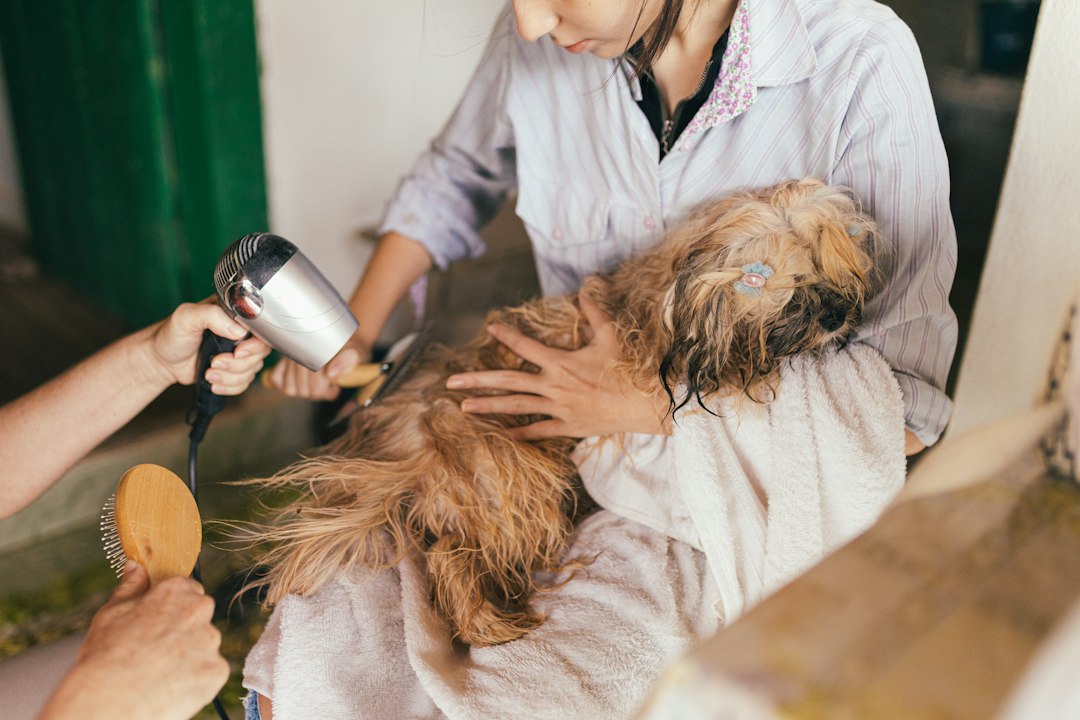
A short-coated dog may need a different brush from a long-coated or double-coated dog. Ask a qualified groomer or veterinarian which tool is suitable, especially if the coat mats easily. Brush gently in short sessions and avoid pulling at knots. Mats close to the skin can be painful and may need professional removal rather than scissors at home.
Make paws part of the check
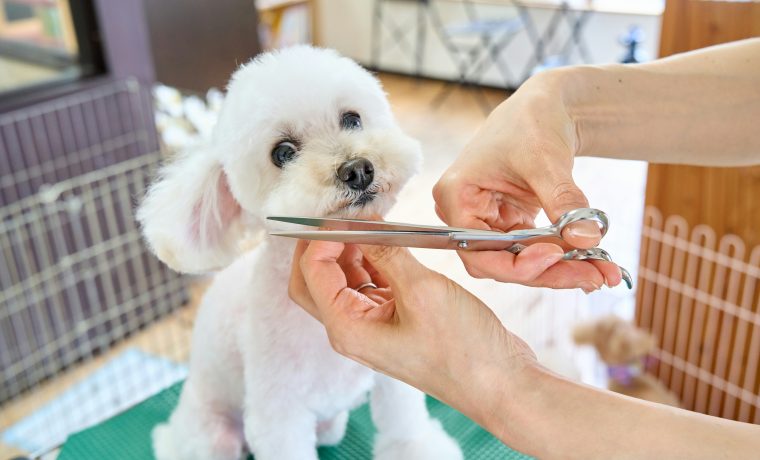
After walks, look between toes and around pads for mud, burrs, cracks, redness, or small objects. Keep the area clean and dry, and ask for help if your dog limps or reacts painfully. Fur trimming around paw pads should be done carefully; never cut close to skin when the dog is moving or anxious.
Approach nails gradually
Long nails can affect comfort and movement, but trimming too much can cause pain and bleeding. Introduce the clipper or grinder slowly with treats and let the dog become comfortable with the sound and touch. Trim only small amounts at a time. If nails are dark, the dog is distressed, or you are unsure where the quick is, ask a professional.
Clean ears only when appropriate
Check ears for redness, odor, discharge, or repeated head shaking. Do not insert cotton swabs or tools into the ear canal. Use only a dog-safe cleaner recommended by your veterinarian, and avoid routine deep cleaning when it is not needed. Pain, strong odor, or discharge should be assessed rather than treated as ordinary dirt.
Keep grooming positive
Use a non-slip surface, good lighting, and short sessions. Reward calm behavior and stop before the dog becomes overwhelmed. Bathing frequency depends on coat, lifestyle, and skin health; use dog-formulated shampoo and rinse thoroughly. If grooming repeatedly causes fear or discomfort, seek a fear-aware groomer or veterinary advice.
A simple checklist to keep
Write down the routine that works: what happens before a session, what needs checking, and what signs mean the plan should change. Keep the checklist short enough to use. Consistency matters more than a perfect schedule, and small adjustments are easier to maintain when they are based on observations rather than assumptions.
Common mistakes to avoid
Avoid making several major changes at once, relying on a single online claim, or ignoring repeated warning signs. Advice that works for one household or device may not suit another. When a decision involves health, safety, money, or personal data, use qualified guidance and verify important details before acting.
Kesimpulan
A useful routine is flexible. Review it when circumstances change, and keep the individual needs of the dog at the center of every decision.