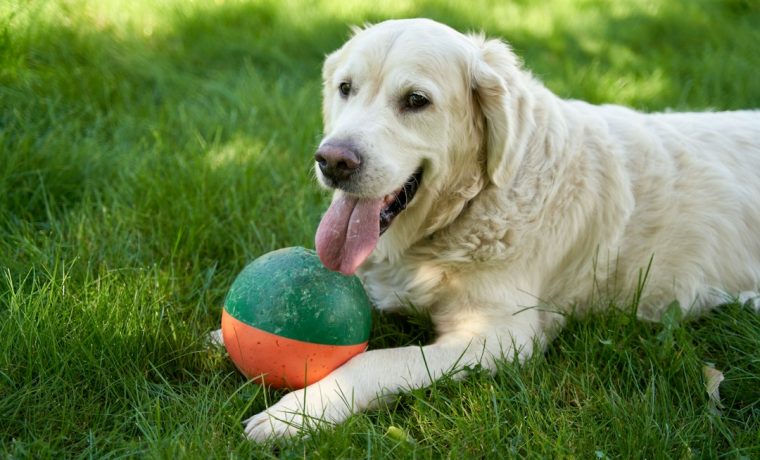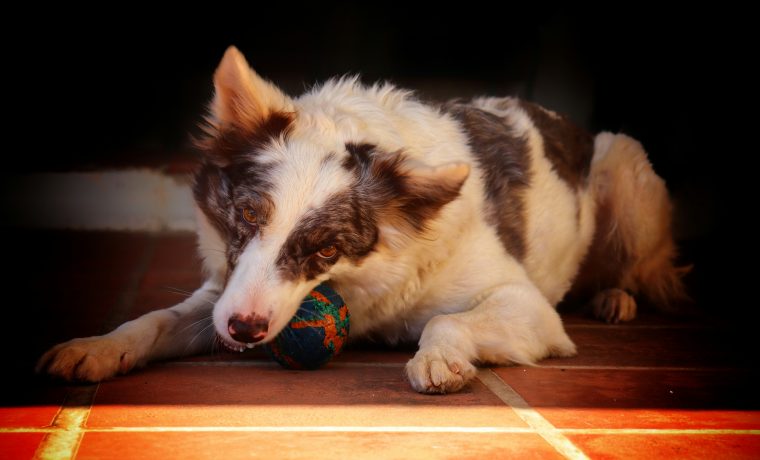

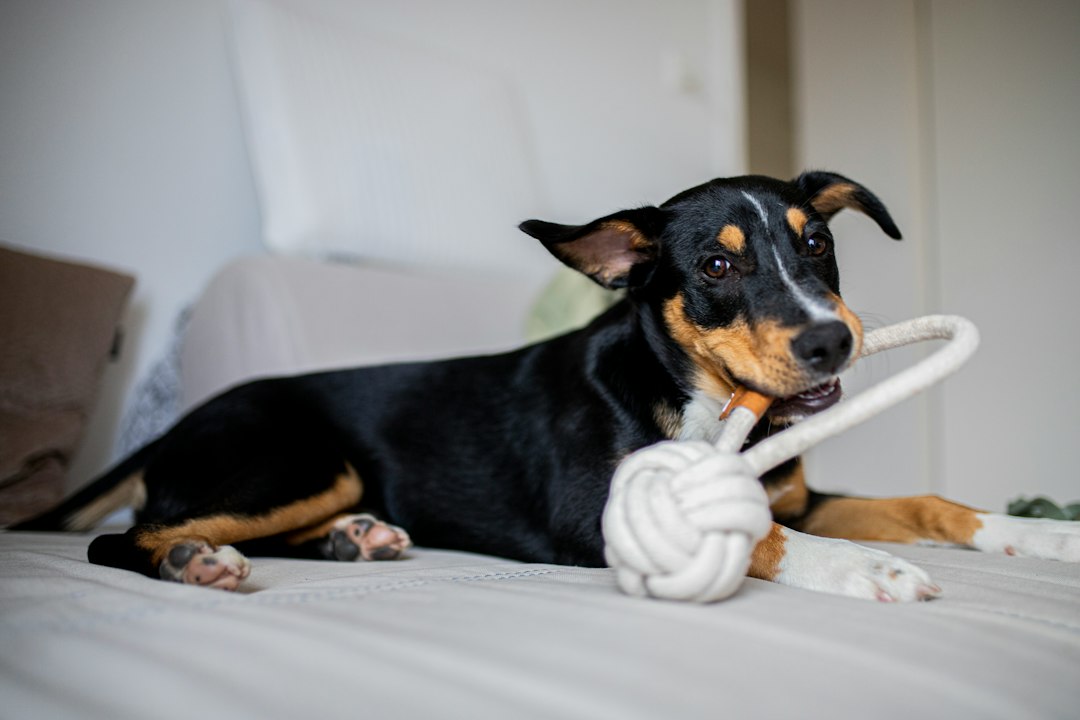
A comfortable home life gives dogs more than food and shelter. Dogs also need opportunities to use their senses, move their bodies, make choices, and rest without interruption. The most effective enrichment is safe, varied, and matched to the individual dog rather than simply expensive or complicated.
Use sniffing as everyday enrichment
A slow sniff walk can be more rewarding than a rushed route focused only on distance. Let the dog investigate safe areas, change direction, and pause when practical. At home, scatter a portion of the daily food across a clean mat or hide a few pieces in easy locations. Start simply and supervise so the activity stays safe and frustration-free.
Rotate toys and problem-solving games
Food puzzles, snuffle mats, and simple search games invite dogs to think and explore. Introduce one activity at a time and choose a difficulty the dog can solve. If the dog becomes frustrated, make the task easier. Inspect toys for loose parts, sharp edges, or damage, and remove anything that could be swallowed.
Balance activity with recovery
More exercise is not always better. Puppies, seniors, short-nosed breeds, and dogs with health conditions may need shorter or modified activities. Schedule quiet rest after exciting play, and provide a comfortable place where the dog can sleep undisturbed. Watch for fatigue, excessive panting, limping, or reluctance to continue.
Make training part of play
Short sessions of reward-based training can strengthen communication and build confidence. Practice simple cues, calm greetings, recall in safe enclosed areas, or settling on a mat. Use rewards the dog values and finish before attention fades. Avoid games that encourage unsafe chasing, rough handling, or guarding over high-value objects.
Adapt the home to the dog
Create predictable routines for meals, walks, play, and rest. Use gates or barriers to keep the dog away from hazards, and provide different textures and safe resting spots. Observe which activities your dog chooses repeatedly and which it avoids. Enrichment should improve wellbeing, not overwhelm the dog; variety and choice are more important than a packed schedule.
A simple checklist to keep
Write down the routine that works: what happens before a session, what needs checking, and what signs mean the plan should change. Keep the checklist short enough to use. Consistency matters more than a perfect schedule, and small adjustments are easier to maintain when they are based on observations rather than assumptions.
Common mistakes to avoid
Avoid making several major changes at once, relying on a single online claim, or ignoring repeated warning signs. Advice that works for one household or device may not suit another. When a decision involves health, safety, money, or personal data, use qualified guidance and verify important details before acting.
Kesimpulan
A useful routine is flexible. Review it when circumstances change, and keep the individual needs of the dog at the center of every decision.